
Short answer, No. This is one of the most common questions we receive. Here we’re going to breakdown exactly what should and shouldn’t be in an ET1.
What an ET1 Is Actually For
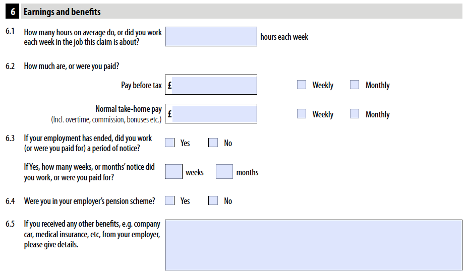
An ET1 is the document that starts your Employment Tribunal claim.
It tells the Tribunal — and your employer — what legal claims you are bringing and why.
It is not:
❌ a personal statement
❌ a chronological life story
❌ a place to express how angry or upset you feel
Those things matter — just not at this stage.
What the Tribunal Is Looking For
When a Judge reads an ET1, they’re asking:
- What legal claims are being brought?
- What facts support each claim?
- Are the claims in time?
- Is there enough detail for the Respondent to understand the case?
If those answers aren’t clear, the claim is vulnerable from day one.
Lets have a look at two examples:
Legal claim:
Unfair Dismissal (Employment Rights Act 1996)
ET1-style wording:
The Claimant was dismissed on 14 March 2025. The dismissal was procedurally and substantively unfair. No fair reason for dismissal was identified, and the Claimant was not given a proper opportunity to respond to the allegations relied upon. The Respondent failed to follow its own disciplinary procedure and the ACAS Code of Practice.
❌ What This Is Not
“I was devastated by how I was treated and felt completely humiliated after everything I had done for the company.”
The first paragraph sets out a legal claim with:
✔️ the right law
✔️ the key facts
✔️ the legal test
The second paragraph might be true — but it belongs in a witness statement, not an ET1.
Thinking of submitting an ET1?
Before you press submit, make sure it’s doing what it’s supposed to do.
We draft. We submit. We review the ET3 (the response form from the Employer).
So your case starts strong — and stays strong.
Find out more about our ET1 service here: https://www.unitedworkersalliance.co.uk/product/document-review-drafting-support/