
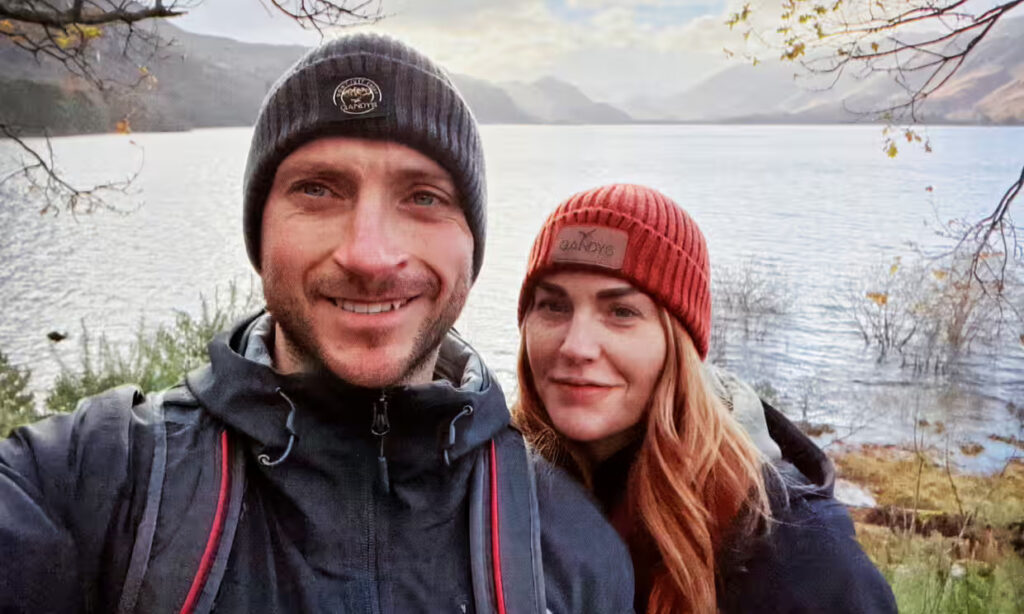
This International Workers’ Memorial Day, we remember Robbie Robson — a dedicated British offshore worker whose life was cut short on the job. His story is a tragic reminder of the real human cost of ignoring workplace mental health and safety.
In October 2022, Robbie left his home in South Tyneside to work on the Seafox Burj rig in Qatar — an opportunity that promised financial security and a better future for his young family. But just six weeks later, he was dead. The man who killed him — his roommate, Scott Forrest — was reportedly experiencing extreme sleep deprivation and paranoia, worsened by the rig’s conditions and chronic lack of mental health support.
The offshore oil and gas industry is notoriously tough — long hours, isolation, confined spaces, and intense pressure. But what happened to Robbie wasn’t an isolated tragedy. It was a predictable outcome of a system that routinely places profits over people.
A Preventable Death
Robbie shared a cramped cabin with colleagues working the same 12-hour night shifts. The room, already too small, was constantly disturbed by oversensitive gas alarms blasting through a speaker — often four or five times per day. Sleep was rare, rest even rarer. Robbie expressed frustration to his partner, Kristie Graham, over WhatsApp: “I can’t believe this is the expectation for eight weeks.”
He tried to raise the issue. He was told there was no alternative accommodation.
Just six weeks after arriving, Robbie was killed in the middle of the night by Forrest, who claimed he was paranoid and sleep-deprived to the point of psychosis. After brutally attacking Robbie with a metal weight, Forrest attempted to kill a second colleague before being restrained. He later told police he had a “problem” and needed help.
The question is: why didn’t anyone step in before it was too late?
A Crisis in Worker Mental Health
Robbie’s death must be seen for what it is: a catastrophic failure of employer responsibility. Offshore workers — like many others in high-risk industries — face unique mental health challenges that are too often overlooked, underfunded, or dismissed entirely.
While the UK Health and Safety Executive (HSE) provides clear guidance on managing stress and mental health at work, too many companies still treat wellbeing as an optional extra, rather than a legal and moral obligation. In offshore environments, where workers are isolated from family and support systems for weeks at a time, that neglect can be deadly.
The Human Cost
Robbie wasn’t just a worker. He was a father, a partner, a friend. His young daughter Willow, now 11, will grow up without her dad. Kristie, his partner, described their time together as “beautiful and so much fun.” He was full of life, humour, and kindness — a man who sent flowers on birthdays and hid water pistols to make his daughter laugh.
But none of that mattered to the system he worked within. To the companies profiting off his labour, Robbie was replaceable.
We disagree.
What Needs to Change
Robbie’s story must spark action. On this Workers’ Memorial Day, we demand:
- Mandatory mental health risk assessments in all offshore and remote work environments
- Strict limits on shift lengths and cabin sharing practices
- Better whistleblowing protections and support for workers who raise concerns
- Legal accountability for employers who neglect basic duty of care
We also call for the full implementation of mental health first aid training for managers and safety leads across all high-risk sectors.
Never Again
Robbie Robson’s death was not inevitable. It was the result of a broken system that prioritised productivity over people — and silence over support. We honour his memory by fighting for those still facing the same conditions today.
No one should die for doing their job. No family should be left picking up the pieces while companies carry on as usual.
This Workers’ Memorial Day, we remember Robbie — and we demand better.